"you’re gonna hate this but you have got to take time off," my friend Brooke told me. I hated the advice, and she was right.
Brooke is a long-time friend who's listened to me through many jobs - we've been in the trenches of startup land together. She's the wise one who told me "it's always darkest before dawn."
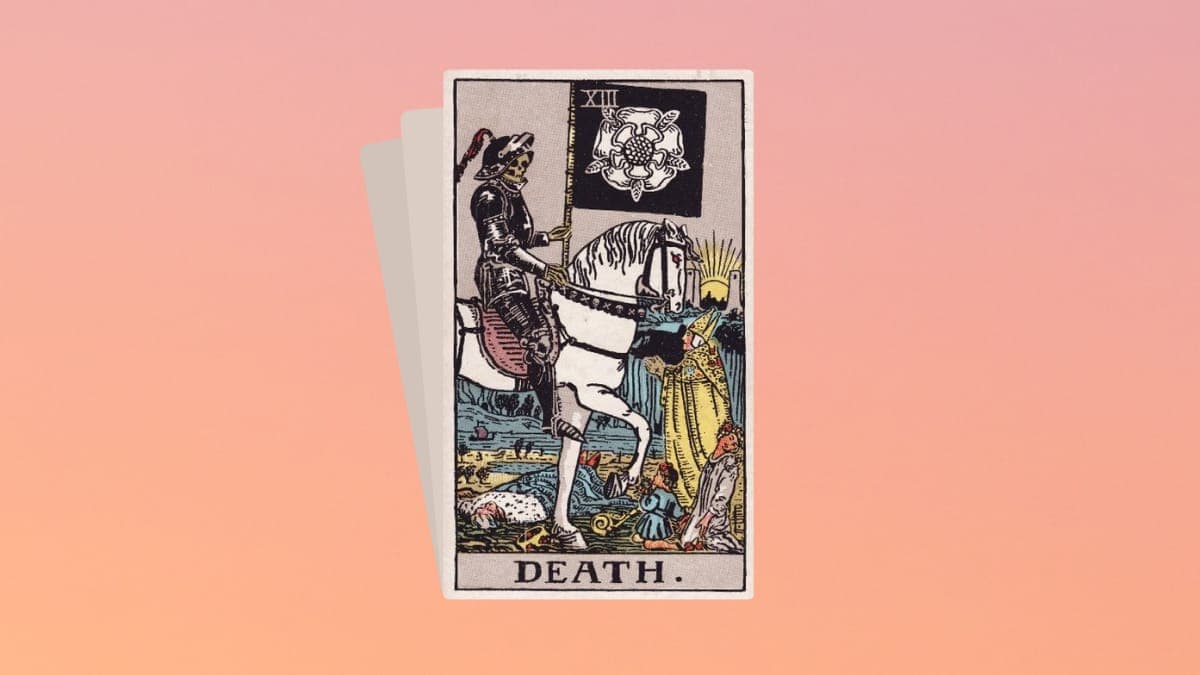
I'm no stranger to burning out. There's a funny sense of dread and drudgery that builds up. By now, I know that the moment that I start to think "something needs to die" I'm right... metaphorically.
There's only one constant that I can control across the situations where I've burnt out - myself. So, what helps me when I'm burnt out:
- Making time for fun projects. I do a lot of work, but there's a difference between when I do things out of passion or obligation. I need to make time for engaging work - the stuff that's first to drop when pressure rises. Quality of life improvements that wouldn't usually get prioritised. A nifty automation. Chatting with smart, kind colleagues who bring great ideas.
- Spending time on joy. Since I'm pretty good at being productive, I need to actively make time to relax and do nothing. Sleeping. Exploring. Playing games. Reading guilty pleasures. Playing an instrument terribly. That kind of thing.
- Reaching out to others for help. For me, it's a mix of close colleagues, great friends, a therapist, and my partner. Sometimes it's an accountability check-in, sometimes it's opening up and saying that I'm starting to notice that I'm feeling burnt out in a safe space, sometimes it's planning changes to try.
Ami Vora explains it really well: Burnout is usually less about the number of hours worked and more about the trade of what I get out for what I’m putting in.
It'd be wonderful if I never burnt out, but I think that's a fantasy. It's healthy to be scared, to be stressed, to experience a range of emotions.
The real 'trick' is learning how to spot it early and change before it gets bad.